
Entre Hombres: Shooting Cinematic Key Art for HBO in Buenos Aires
Buenos Aires, Argentina · November 18, 2019 · 3 min read
How the key art and character portraits for the HBO series “Entre Hombres” were shot in Buenos Aires — a cinematic, red-and-blue lighting study in entertainment photography.
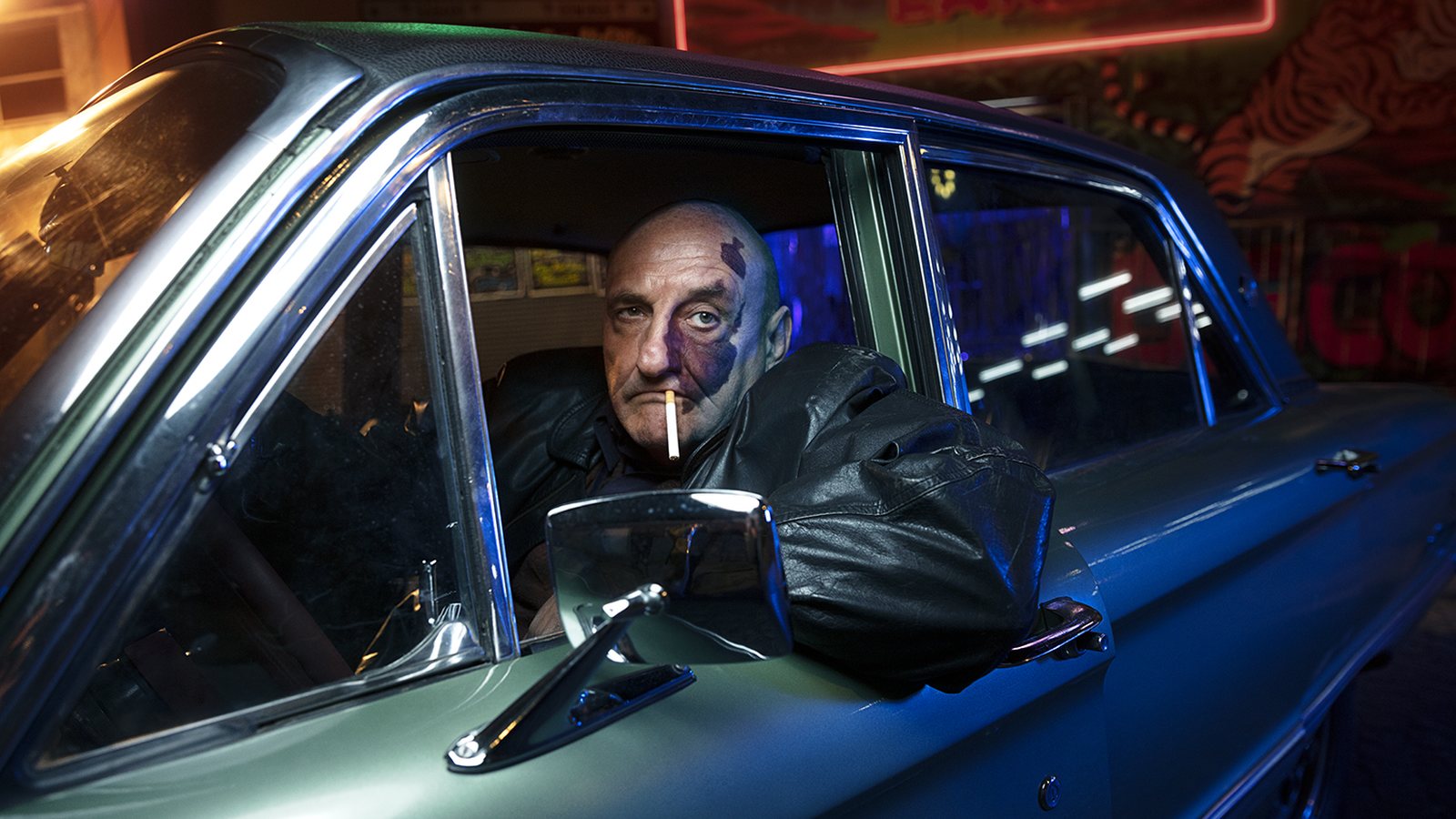
Entertainment photography is its own discipline, distinct from advertising, travel or documentary. The story is already written; your job is to compress it into a single still that makes someone stop scrolling and want to watch. For the HBO series “Entre Hombres,” shot in Buenos Aires, that meant building a set of character portraits and key-art frames that felt less like headshots and more like film stills lifted straight from the show.
The series lives in the harder corners of the city, and the photography had to match it: close, tense, and lit like a memory you would rather forget. From the first conversation, the brief was about mood before anything else.
Lighting a story in red and blue
I built the entire look around two colours — a cold, sodium-blue and a hot, dangerous red — and let the cast live in the shadows between them. Cinematic portraiture is mostly restraint. It is knowing what to leave dark. A face half-swallowed by shadow tells you more than one lit evenly from the front, because the imagination fills in the rest.
Coloured light does a lot of narrative work in a single frame. Red reads as heat, threat, appetite; blue reads as cold, isolation, night. By pushing the two against each other and keeping the fill low, every portrait gained a sense of tension before the subject had done anything at all. The light sets the temperature; the actor supplies the story.
Portraits that behave like film stills
There is a real difference between a good portrait and a good key-art image. A portrait can be quiet and open. Key art has to do a job — it has to sell a tone, hint at a plot, and survive being shrunk to a thumbnail on a streaming carousel. So I composed these frames for impact at any size: strong silhouettes, clear gestures, faces that carry the narrative even when the image is two centimetres tall on a phone.
Working with actors is its own craft. They arrive already inhabiting a character, and the best thing a photographer can do is give them a frame to act inside and then get out of the way. I direct lightly — a glance, a turn, a held breath — and shoot through the moments in between, where the performance settles into something that feels true rather than posed.
“My job is to compress a whole story into one frame that makes someone stop and want to watch.”
A different muscle from my other work
Entertainment campaigns use a different muscle from documentary or travel photography. On a documentary shoot I am chasing reality and trying not to interfere with it. Here, reality is beside the point — everything is constructed, controlled, and in service of a fiction that already exists on screen. The discipline is to make something stylised still feel emotionally honest.
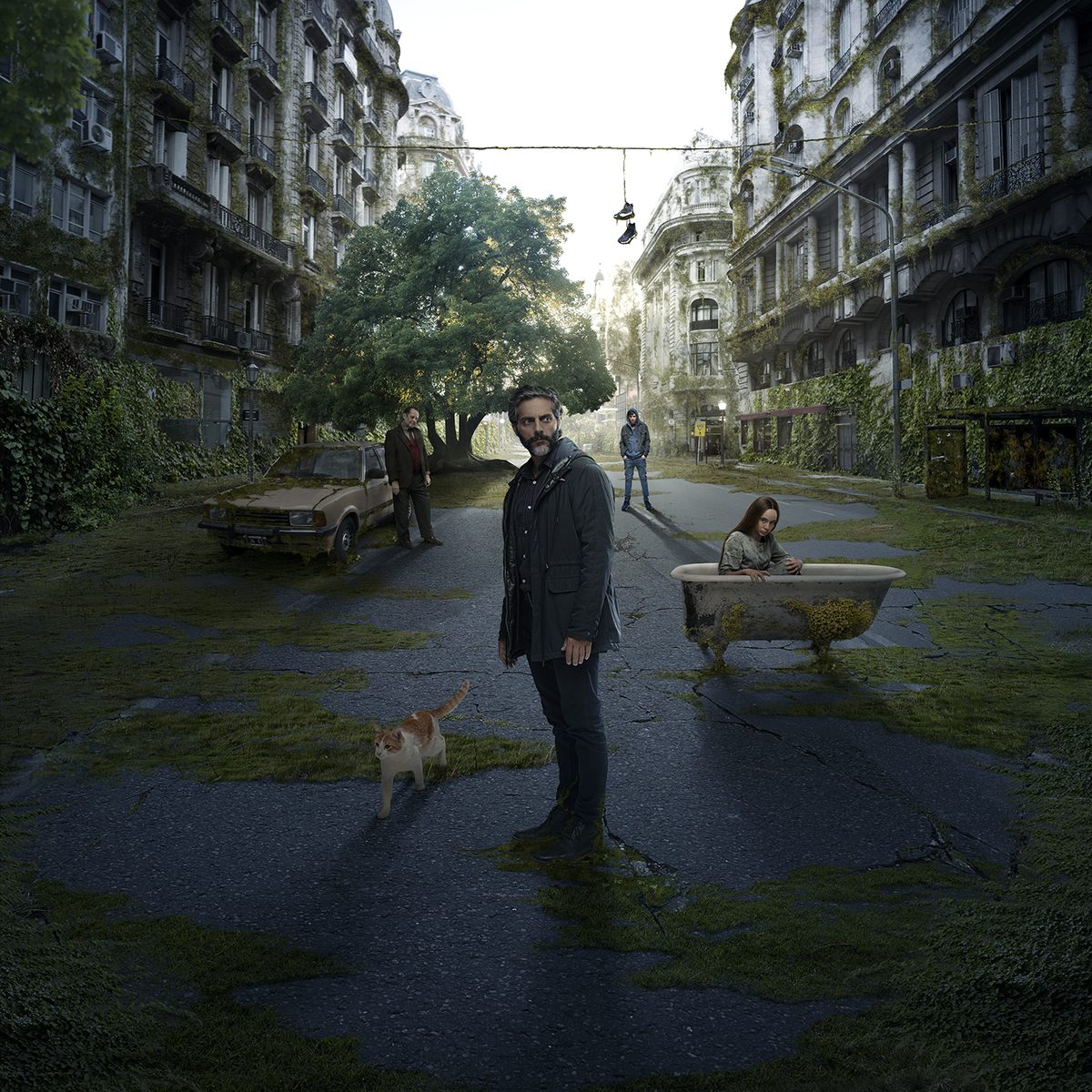
Buenos Aires gave the shoot its texture. The city has a cinematic quality of its own — its bars, its corridors, its late-night light — and we leaned into all of it. The locations did half the acting. It is the city where much of my HBO work lives — El Jardín de Bronce drew on the same late-night palette.
Why key art matters more than ever
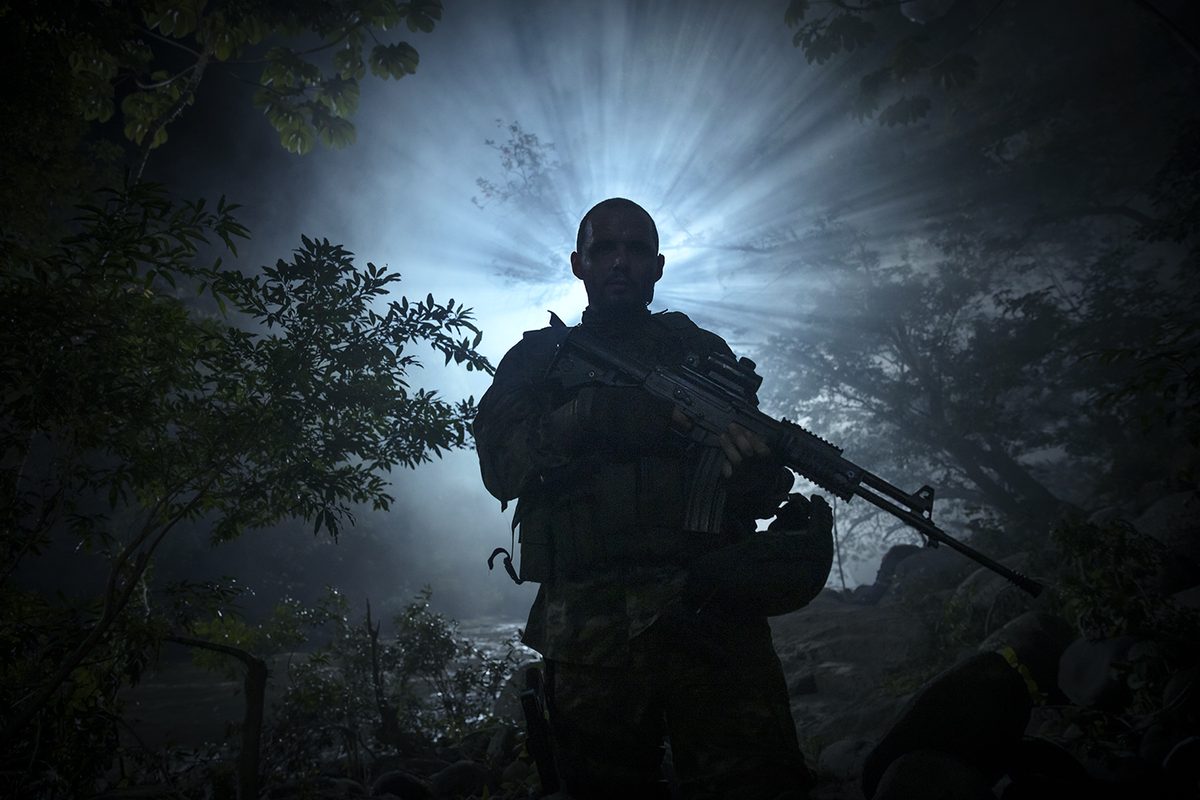
In a streaming world, key art is often the first and only pitch a show gets. A viewer decides in a fraction of a second whether to click, and that decision is made on the strength of a single image. Entertainment photography has quietly become one of the most important jobs in the industry precisely because attention has become so scarce. It is why I keep returning to the discipline, from Mil Colmillos onward: one frame, one promise, kept.
For “Entre Hombres,” the goal was simple to say and hard to do: make a picture that keeps its promise. The story is already written; the image just has to be worthy of it. These are some of the frames from those days in Buenos Aires — red, blue, and a lot of shadow.
From the shoot
9 photographs · tap to enlargeRelated stories
El Jardín de Bronce: Key Art for an HBO Thriller in Buenos Aires
Mil Colmillos: Cinematic Key Art for an HBO Max Series