Día de los Muertos in Mexico City: Photographing the Day of the Dead
Mexico City, Mexico · October 31, 2019 · 4 min read
A travel and cultural photo essay on Día de los Muertos in Mexico City — Catrinas, marigold altars, Aztec dancers and family ofrendas during Mexico's Day of the Dead.
Few celebrations reward a camera like Día de los Muertos. Mexico's Day of the Dead is a riot of marigold orange, candlelight and painted faces — but spend time inside it and you realise the colour is only the surface. Underneath is one of the most moving ideas any culture has built a holiday around: that death is not an ending to be feared, but a moment when the people you have lost come back to visit. I went to Mexico City to photograph that idea, not just its decorations.
It is, on paper, a travel assignment. In practice it is a lesson in how to photograph something sacred without flattening it into a tourist's snapshot.
More than a costume party
For visitors, Día de los Muertos can look like a single spectacular night of skull makeup and parades. For the families who keep it, it is a quiet, days-long act of remembrance. Homes fill with ofrendas — altars heaped with marigolds, candles, photographs, pan de muerto and the favourite foods of the departed. The marigold petals, the cempasúchil, are scattered as a path so the dead can find their way home.
I made a point of photographing those altars and the people who build them, not only the dramatic public faces of the holiday. A man standing beside the ofrenda he has made for his family tells you more about Day of the Dead than any parade float. The celebration is, at its heart, an act of love, and love is usually quiet.
Catrinas, Aztec dancers and painted faces
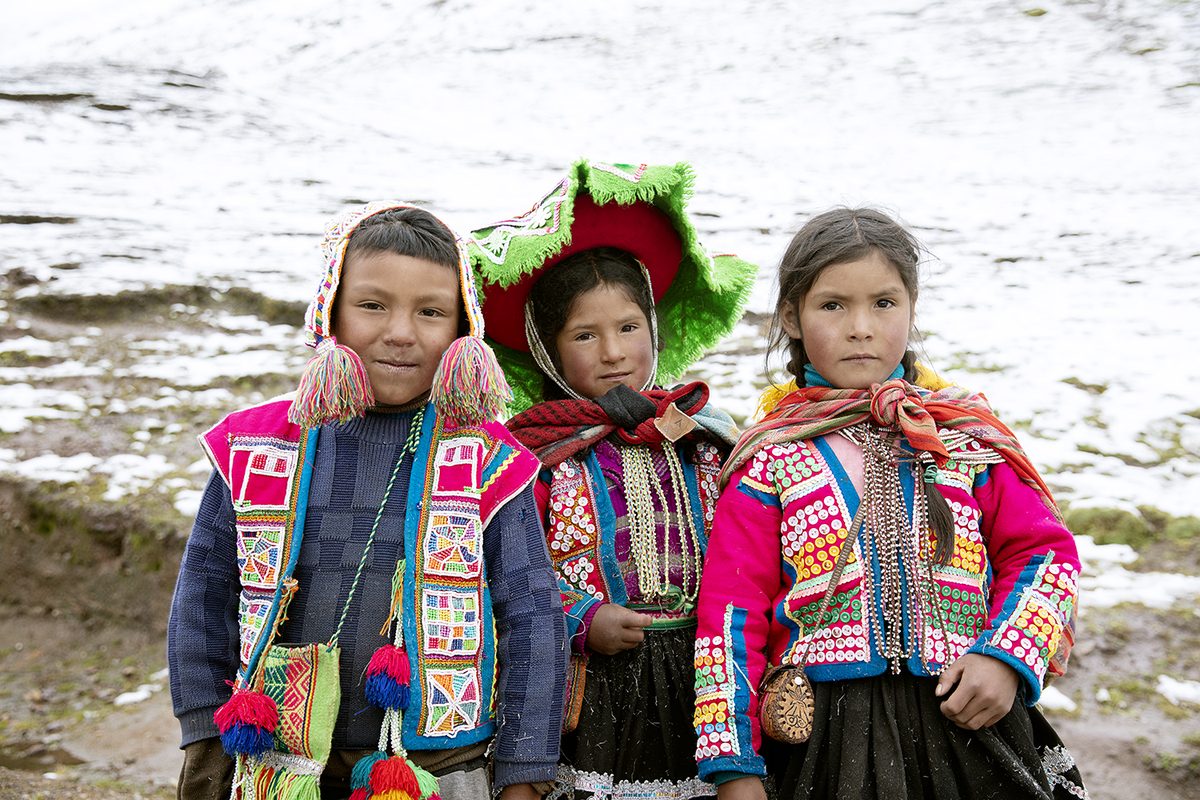
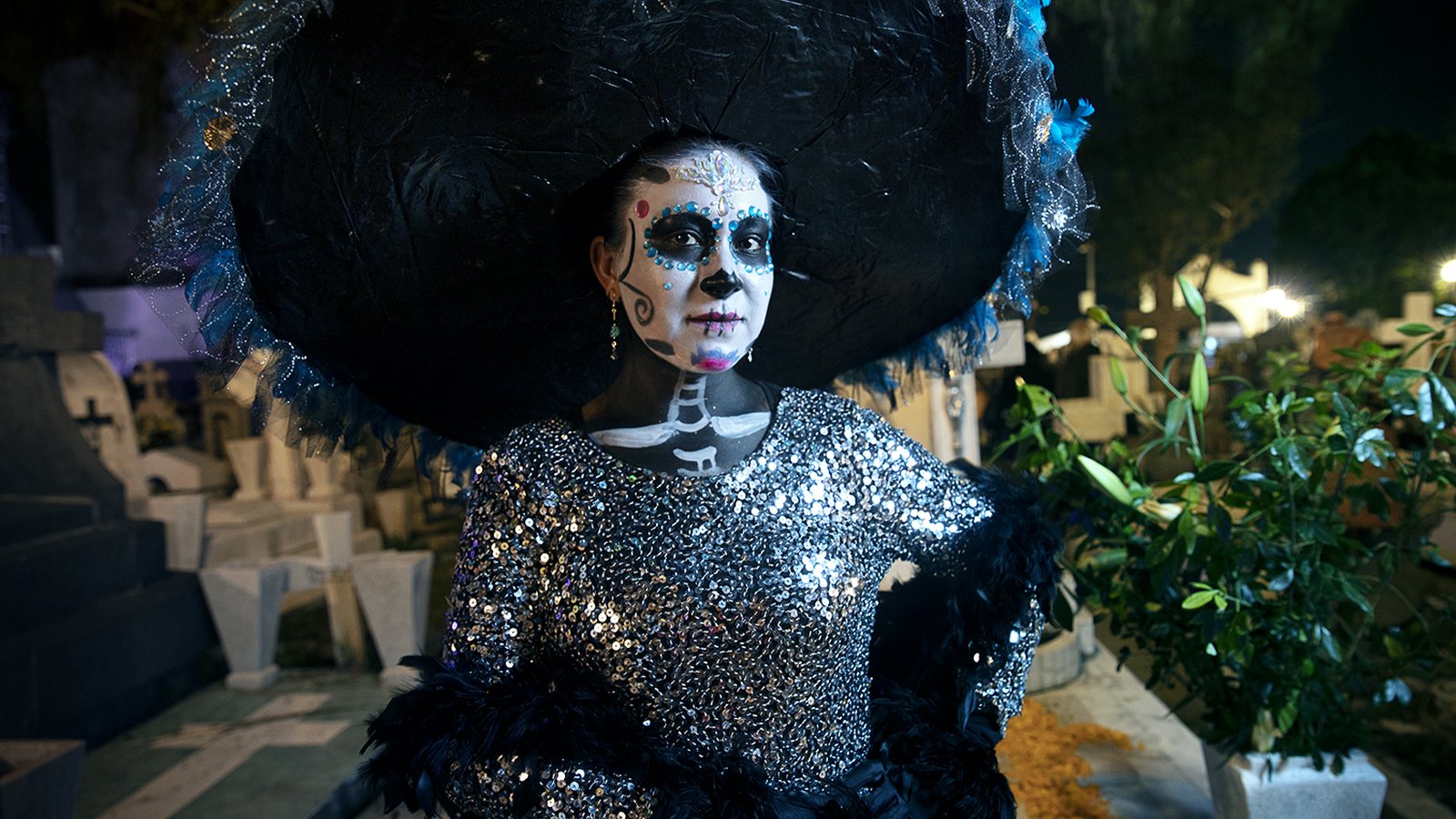
Of course, the public face of the holiday is irresistible, and I photographed it fully. La Catrina — the elegant skeleton in her grand hat, drawn from the work of José Guadalupe Posada and immortalised by Diego Rivera — is everywhere, reinterpreted by thousands of people in their own makeup and dress. The portraits I made of Catrinas in the cemeteries, lit against the dark, are among my favourite frames from the trip. They sit in the same family as the portraits I made beside Vinicunca in Peru — faces met on their own ground, given freely.
Then there are the concheros, the Aztec dancers in feathered headdresses and body paint, who connect the holiday back to its pre-Hispanic roots. Mariachi musicians play among the graves. A figure on stilts towers against the sky. Each of these is a portrait waiting to happen, and the challenge is to photograph them as people performing a tradition rather than as exotic curiosities.
“Day of the Dead is not about mourning. It is about keeping the table set for the people you love.”
Photographing a sacred celebration with respect
There is a responsibility that comes with photographing someone else's culture, especially one as intimate as this. The line between documenting and intruding is real, and it moves depending on the moment. My rule is simple: ask, wait, and earn the picture. In the cemeteries, where families gather at the graves of their loved ones, I photographed only when it felt welcome, and I spent as much time talking as shooting.
That patience is also what makes the pictures better. A portrait given freely has an ease that a stolen one never will. The painted faces relax, the eyes meet the lens, and the image stops being about spectacle and starts being about a person who has chosen, for one night, to wear the face of the dead.
Why the Day of the Dead stays with you
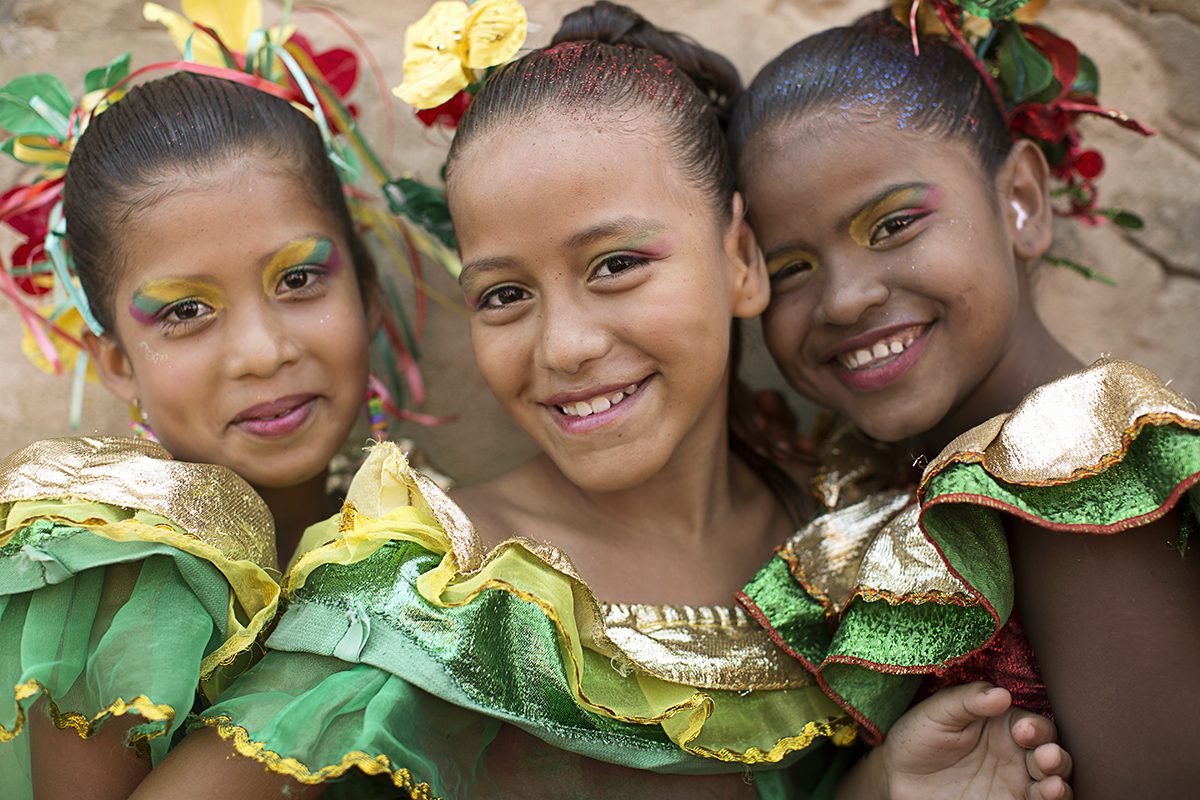
I have photographed a lot of festivals — Barranquilla's carnival among them — but few have stayed with me like Día de los Muertos. Part of it is the visual abundance — orange and gold and bone-white against the night. But most of it is the philosophy underneath: a celebration that refuses to treat death as the enemy and instead sets a place for it at the family table.
These photographs are my attempt to carry a little of that home — the altars and the Catrinas, the dancers and the candlelit graves, and the warm, unafraid way an entire culture remembers its dead. It is, in the end, one of the most life-affirming things I have ever pointed a camera at.