Carnaval de Barranquilla: Photographing Four Days of Color
Barranquilla, Colombia · April 22, 2016 · 4 min read
A photo essay on the Carnaval de Barranquilla, one of the largest folk celebrations in the Americas — from the workshops where the costumes are born to the streets where they come alive.
Once a year, the Colombian city of Barranquilla stops working and starts dancing. The Carnaval de Barranquilla is one of the oldest and largest folk celebrations in the Americas — recognised by UNESCO as a Masterpiece of the Oral and Intangible Heritage of Humanity — and for four days the whole city belongs to it. I went to photograph it not as a spectacle to be consumed from a grandstand, but as a living tradition you have to step inside.
Carnival photography is deceptively hard. The colour is so overwhelming that it can flatten into noise, and the easy pictures — a blur of feathers, a wide shot of a crowd — say almost nothing. I wanted to slow it down and find the people underneath the costumes.
Starting in the workshops, weeks before
So I began where the carnival actually begins: in the workshops, weeks before the first parade. This is where the magic is built by hand — the giant float heads welded and papered, the costumes stitched, the impossible colours mixed in buckets. There is a quiet, focused craftsmanship in those rooms that almost nobody outside the city ever sees, and it is some of my favourite material from the whole project.
Photographing the making of carnival gives the celebration its weight. When you have watched an artisan spend a week shaping a single enormous mask, the half-second it flashes past in the parade means something more. The labour is invisible in the final spectacle, and I wanted to make it visible again.
The characters of the carnival
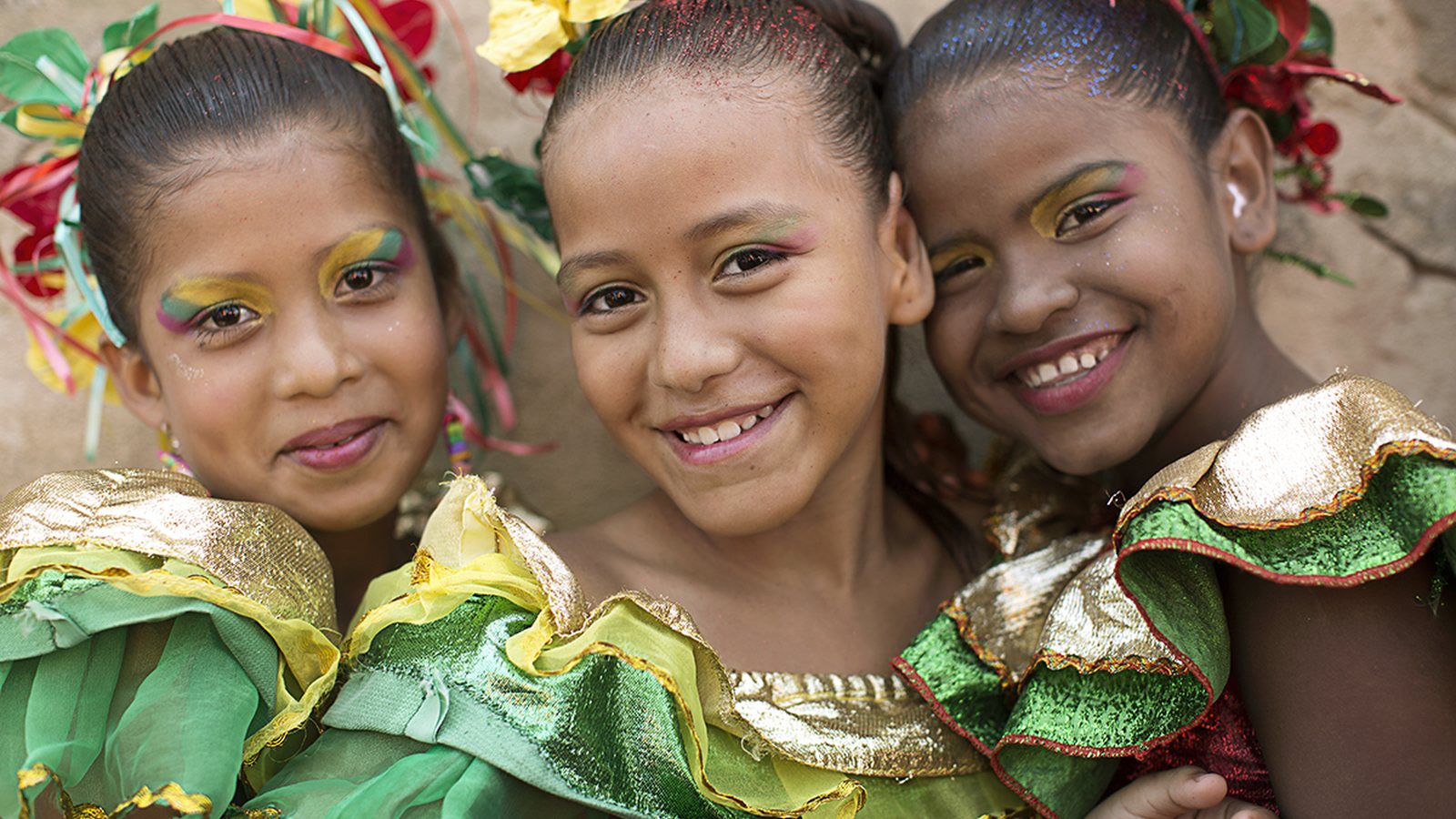
Then the streets. The Carnaval de Barranquilla has its own cast of recurring characters — the marimondas with their long trunk-like masks, the congos in their feathered headdresses, the monocucos, the garabatos. Kids in full regalia who have been practising their steps since before they could walk. Each one carries a piece of a tradition that blends Indigenous, African and European roots into something entirely Colombian.
The portraits are my favourites from the four days. A young performer in yellow and red, mid-laugh. A child in a leopard costume, suddenly serious. Three friends in matching colours, leaning into each other. These are people who carry generations on their shoulders and wear it with total, unguarded joy. It is the same pull that took me to Día de los Muertos in Mexico City — celebrations where the pictures matter because the tradition does.
“Quien lo vive, es quien lo goza — whoever lives it is the one who enjoys it.”
Finding stillness in the chaos
The technical challenge of a carnival is managing chaos. There is too much happening, all at once, in every direction. My strategy is to stop fighting the crowd and instead find pockets of stillness inside it — a performer catching their breath against a wall, a quiet exchange between two dancers, a face turned briefly out of the throng. A single calm portrait in the middle of all that motion tells you more than a hundred frantic frames.
Light helps too. I look for shade and edges, for the doorways and alleys where the costumes glow against a plain background instead of dissolving into the visual noise of the parade. It is the same instinct as my portrait work: simplify, isolate, let the subject breathe.
Why this celebration belongs in pictures
Barranquilla's carnival is sometimes described as four days of pure abandon, and from the outside that is exactly what it looks like. But spend time inside it and you find something more durable — a community renewing itself, passing its stories down through costume and rhythm, insisting on joy as a kind of inheritance.
That is what I hope these photographs hold onto: not just the colour, but the care underneath it. The hands that built the masks, the families who taught the steps, and the simple, defiant pleasure of people who live their tradition fully. Whoever lives it is the one who enjoys it — and for four days, I got to live a little of it with a camera. The coast that throws this party is the same one I photographed for Cerveza Águila in Cartagena — a place that celebrates the way other places breathe.
From the shoot
9 photographs · tap to enlargeRelated stories
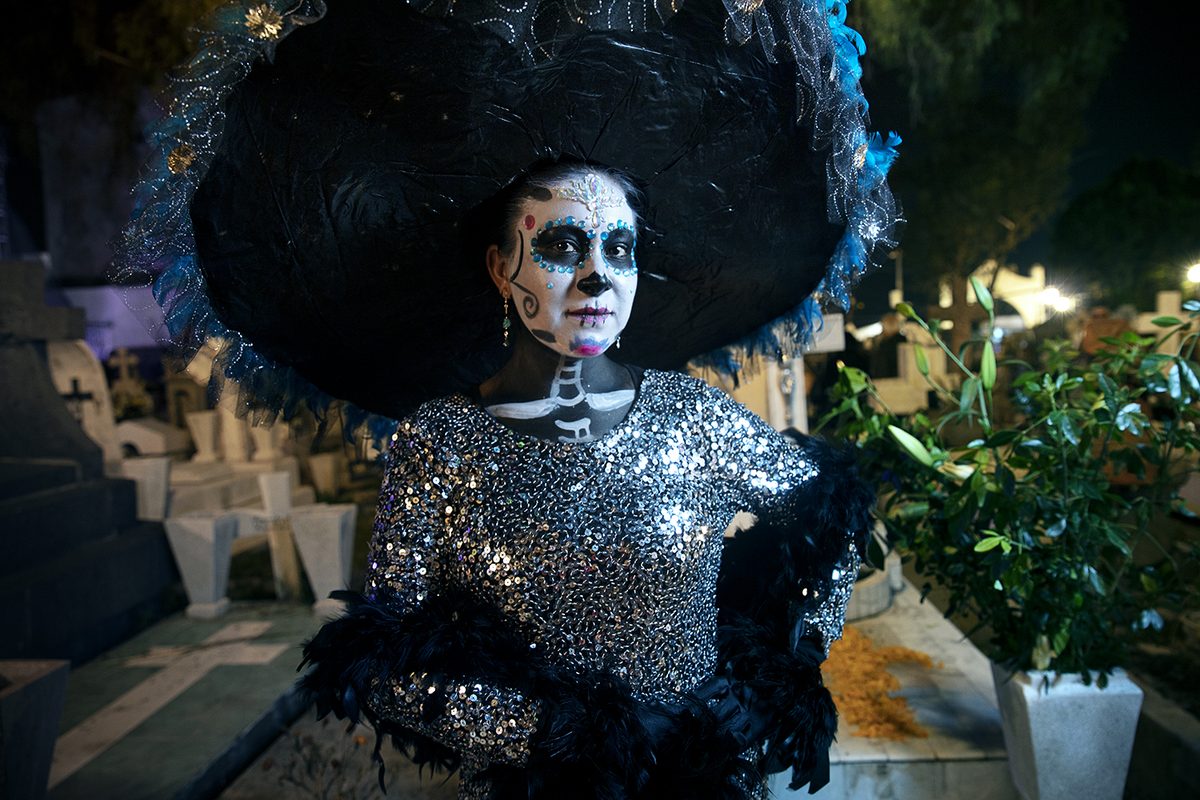
Día de los Muertos in Mexico City: Photographing the Day of the Dead
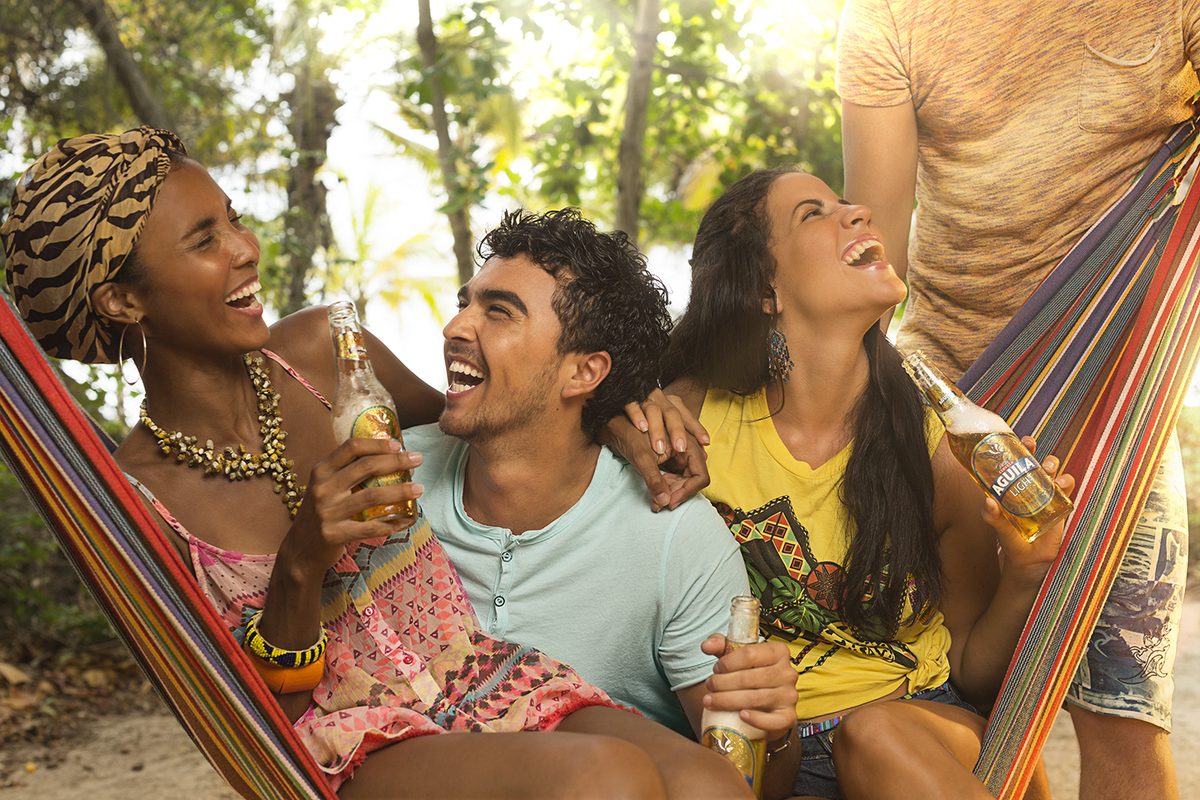
Cerveza Águila in Cartagena: Shooting a Caribbean Beer Campaign