Visa in Medellín: Lifestyle Photography Against Real Architecture
Medellín, Colombia · April 18, 2018 · 3 min read
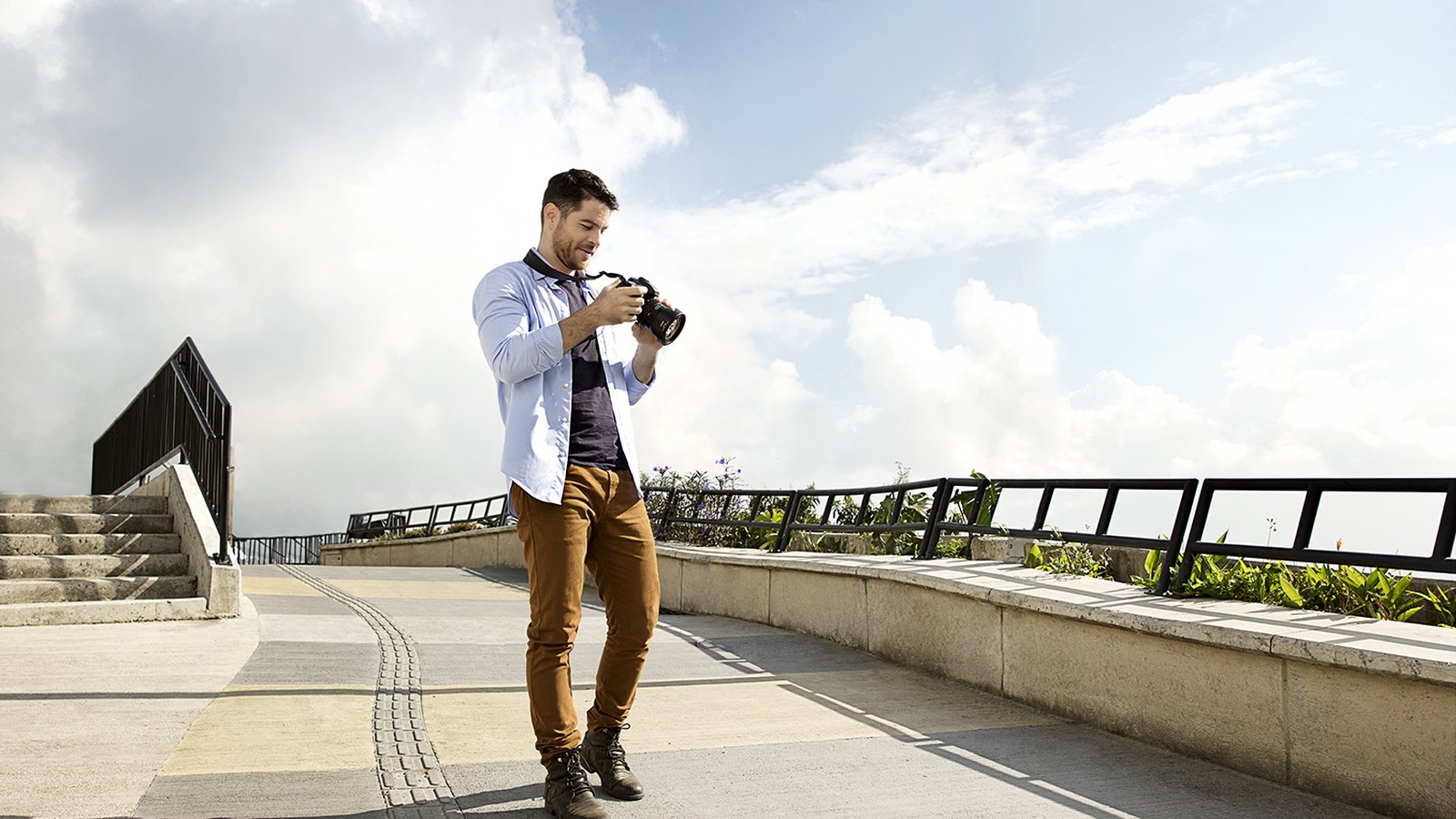
A lifestyle campaign for Visa with BBDO, shot across Medellín — a photographer on a terrace, a shelf being styled in an open kitchen, a card and a phone in green light. Notes on making commissioned lifestyle work feel unstaged.
Financial services is the hardest category in lifestyle photography, because the product is invisible. A card is a rectangle. A payment is a thought. Everything the brand actually sells — freedom, ease, the ability to say yes to something — has to be carried entirely by people and places.
BBDO brought me onto this Visa campaign in Medellín, which helped, because Medellín is a city that photographs like it is trying to win you over.
Let the architecture do a job
Half the frames in this set are built on buildings. The red-and-gold facade with the broad steps running up to it. The long concrete terrace with the valley beyond and cloud stacked over it. These are real public places in the city, and using them does two things at once: it grounds the campaign somewhere specific, and it gives the compositions structure that a studio would have to fake.
Medellín's contemporary civic architecture is unusually generous to a camera — strong colour blocks, hard diagonals, and a lot of open sky above them. I placed the talent small in those frames on purpose. A person dwarfed by a good building reads as a citizen. A person filling the frame reads as a model.
The interiors have to breathe
The shelf-styling frame is the one that took longest. Interiors for this category go wrong when they get too clean — a kitchen with nothing on the counter tells you a set dresser was here an hour ago. We left the books uneven, kept the plants slightly wild through the window, and shot on a long lens from across the room so the foreground went soft and the space felt overheard rather than presented.
That instinct came directly out of the Bancolombia work I shot for Getty, where every frame had to survive being licensed into contexts nobody could predict. Slightly imperfect rooms travel further than perfect ones.
“A person dwarfed by a good building reads as a citizen. A person filling the frame reads as a model.”
The one frame with the product in it
Only one image in the set actually shows a card, and it is deliberately the tightest and softest in the campaign: hands, phone, card, a wall of green completely out of focus behind. When the product finally appears it should feel like a small moment inside a larger day, not the reason the day happened.
Payments brands have got much better at this over the years. When I later shot the fintech work for Ualá the brief was almost entirely about faces and rooms, with the app appearing twice in forty frames.
Medellín, again
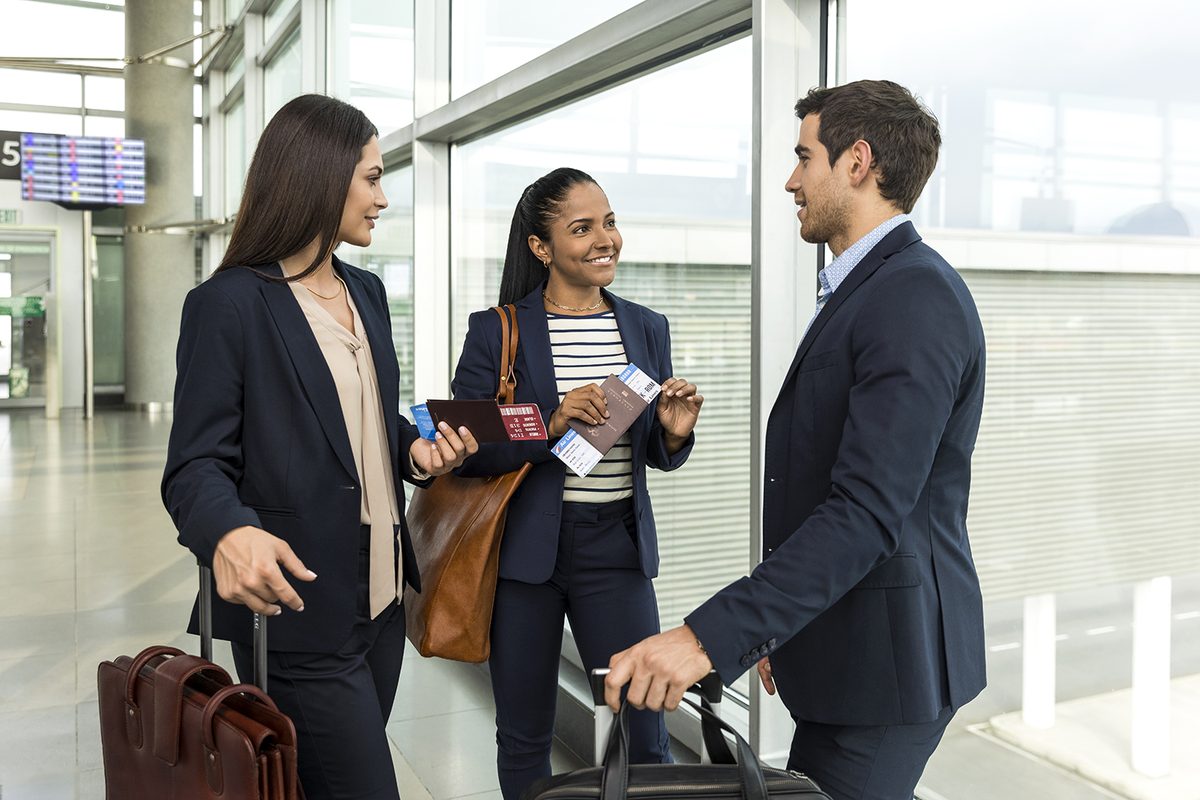
I keep ending up in this city on commercial jobs — the Delta Airlines campaign and the kayaking work in Antioquia both started from the same airport.
It has a specific advantage for advertising: at 1,500 metres in a valley, the light changes character three or four times in a day, so a single location can give you morning, storm and gold without moving the truck. For a campaign that needs variety on a fixed budget, that matters more than any set build.