San Andrés: Portraits From a Caribbean Island at Dusk
San Andrés, Colombia · August 5, 2015 · 3 min read
A travel and documentary essay from San Andrés, Colombia's Caribbean island — fishermen, boats and island life shot in the long violet light of dusk.
San Andrés is a small Colombian island floating far out in the Caribbean, closer to Nicaragua than to the mainland, with a culture all its own — Raizal, English-Creole speaking, built on fishing and the sea. The tourism brochures sell its turquoise water and duty-free shops. I was more interested in the people who live there once the day-trippers have gone back to their hotels.
So I shot it at the edges of the day, in the long violet light of dusk, when the island slows down and shows its real face: fishermen, kids, boats, and the quiet business of island life.
Tourism photography that tells the truth
This was made for a tourism board, which is usually a recipe for the same glossy, empty images every destination produces. I pushed the other way. The most persuasive travel photography, I think, is the kind that makes a place feel real and inhabited rather than staged — you want to visit somewhere because people actually live there, not in spite of it.
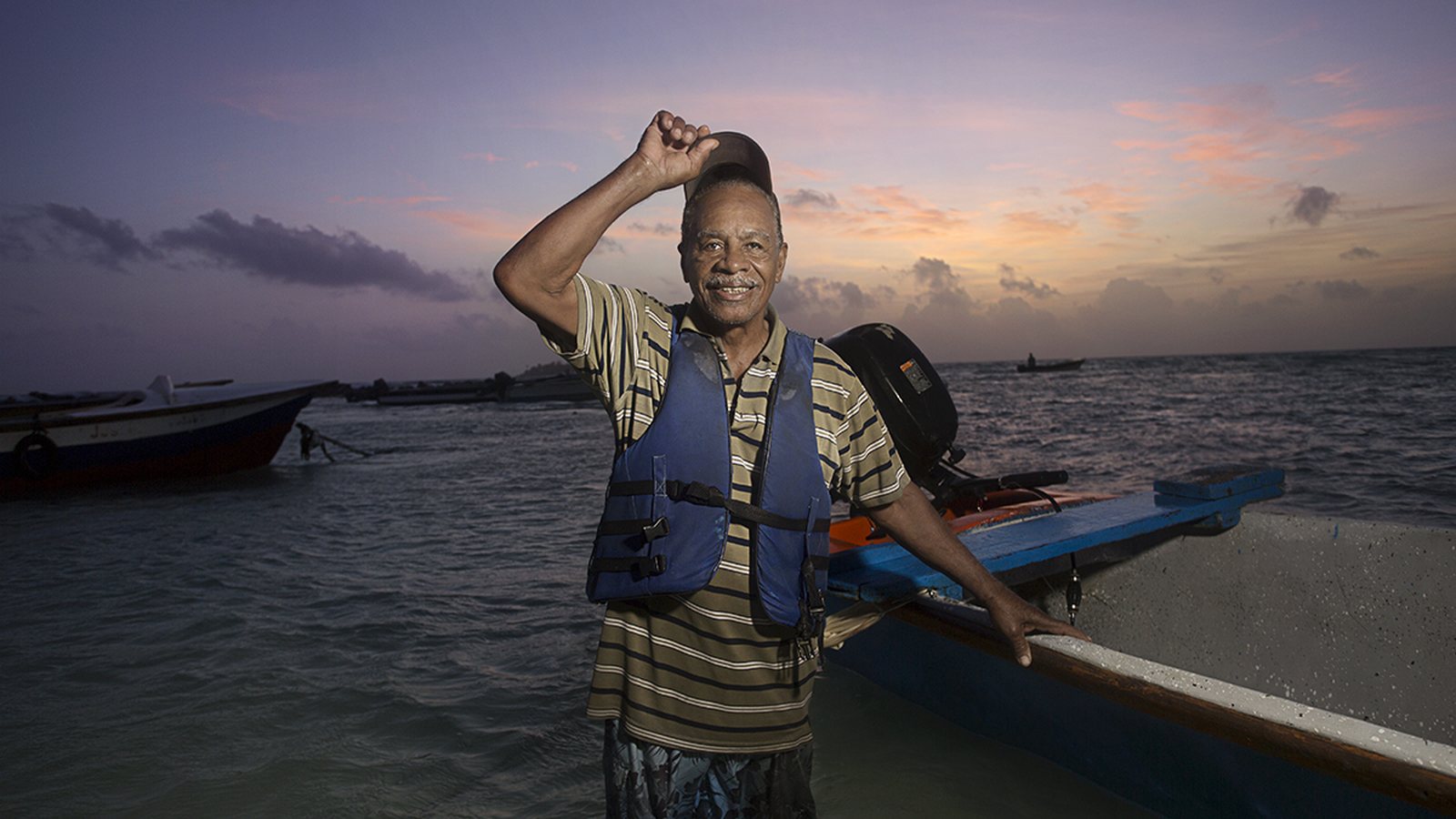
So the fishermen are the stars here, not the beach. A man leaning on the motor of his painted boat. Another rowing out on glassy water. A boy grinning on his way home from school. These are the images that make you trust a place, and trust is what turns a viewer into a visitor.
Chasing the dusk
Almost everything in this set was shot in the last hour of light and the blue minutes after. Dusk on the Caribbean is a strange, generous time — the sky goes lilac and bruised, the water turns to mercury, and everything picks up a soft rim of colour. It is harder to shoot than golden hour, lower and cooler, but it gives the pictures a mood that noon never could.
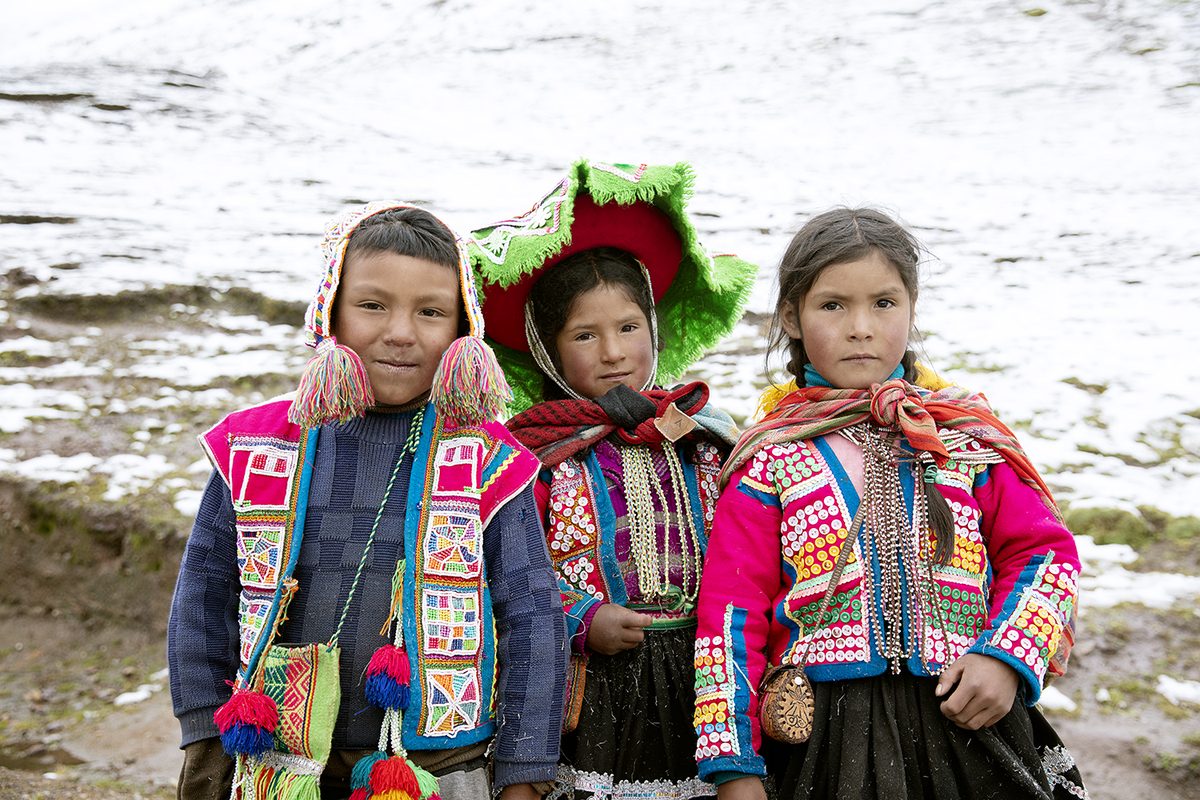
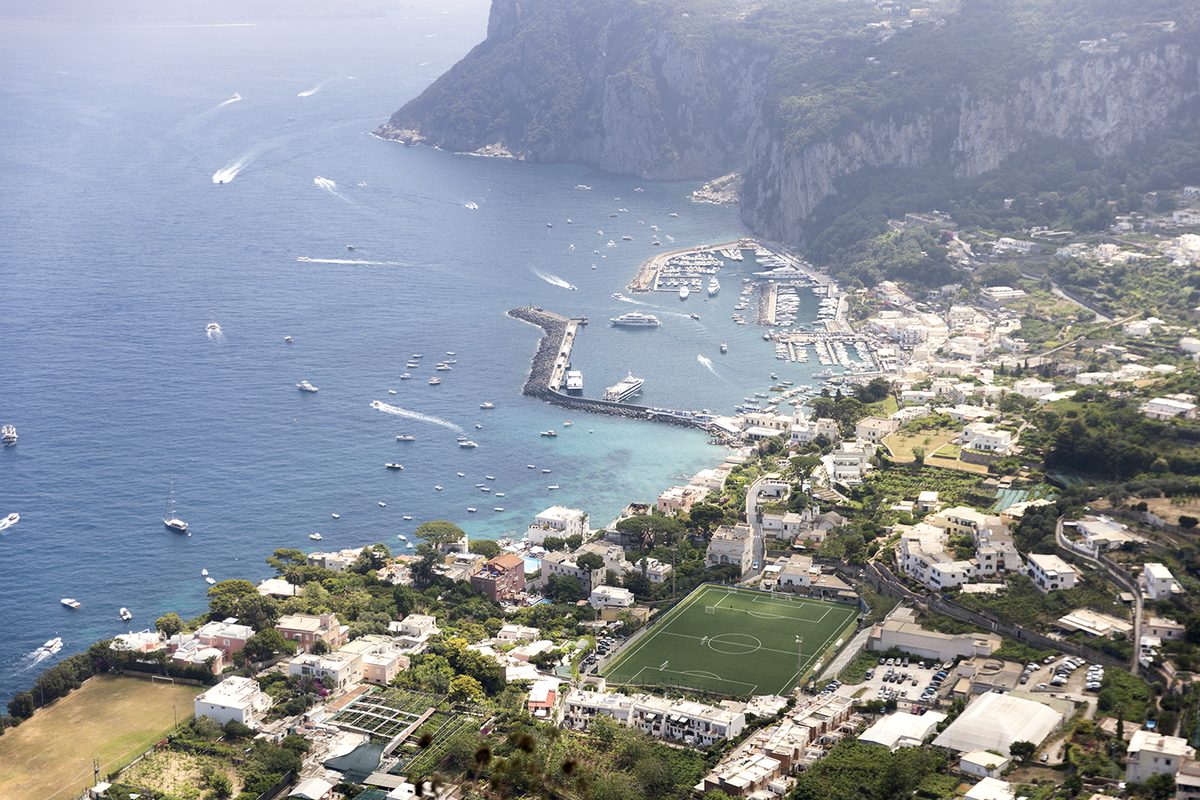
That commitment to a specific light runs through a lot of my travel work, whether it is the thin cold glare of the Andes in the Mountain of Seven Colors or the softening late-summer sun of an Italian island. Decide what light tells your story, then organise everything around catching it.
“Photograph the island the fishermen know, not the one the brochures sell.”
Portraits of a working coast
The dignity of working people is a theme I keep returning to — the firefighters of Miami, the herders of Peru, and here, the fishermen of San Andrés. There is a particular pride in someone who makes their living from the sea, and it reads on the face if you slow down long enough to let it. I kept the portraits simple and close, the subject and their boat, the person and their place.
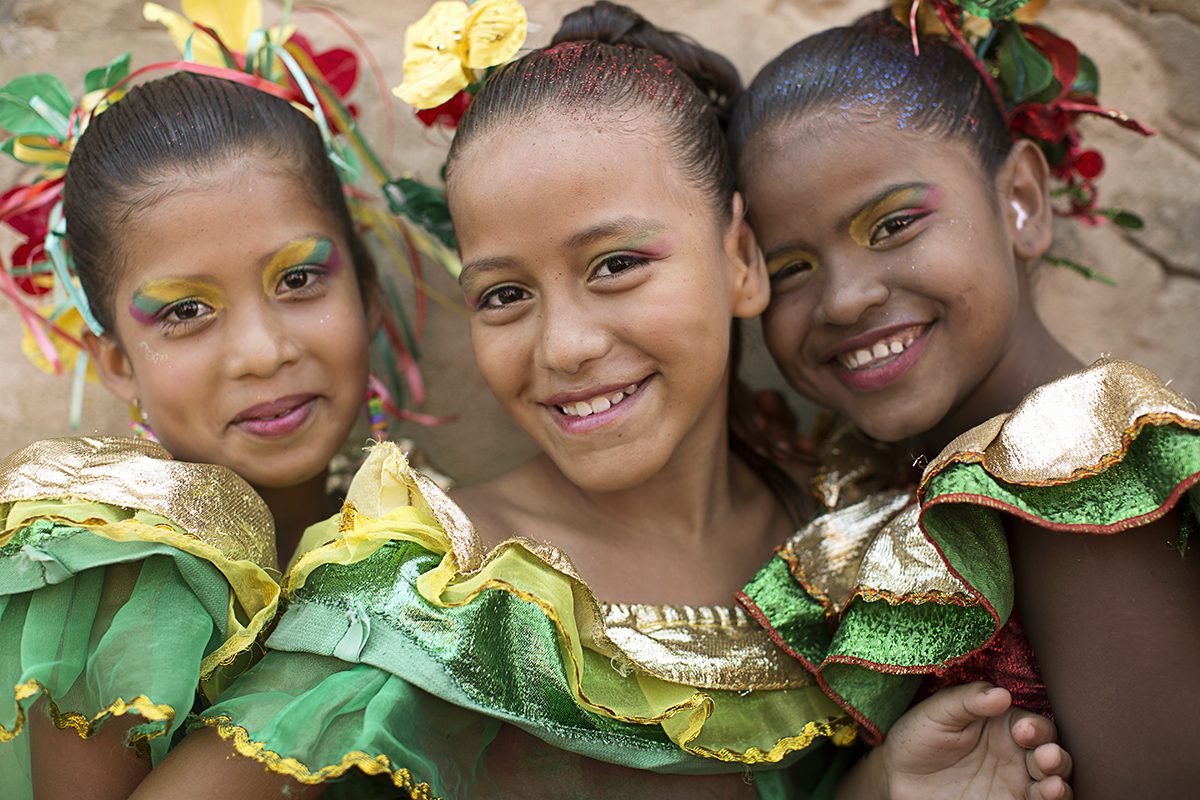
The younger frames balance the weathered ones: a schoolboy with a backpack, two friends on a motorbike by a green verge. Together they sketch a whole community across generations — which is really what a good travel essay should do.
Why island stories sell
For a photographer, coastal and island work is some of the most commercially useful there is. Hospitality, tourism, and lifestyle brands all want images that feel like an authentic escape, and clients can tell the difference between a stock sunset and a real place. San Andrés gave me both the beauty and the truth, and the combination is what makes tourism photography actually work.
These are some of the frames from those dusks on the island — the fishermen, the boats, and the soft violet light that only the Caribbean seems to make.