Frame It: What Changes When a Photograph Becomes an Object
Bogota, Colombia · January 18, 2017 · 2 min read
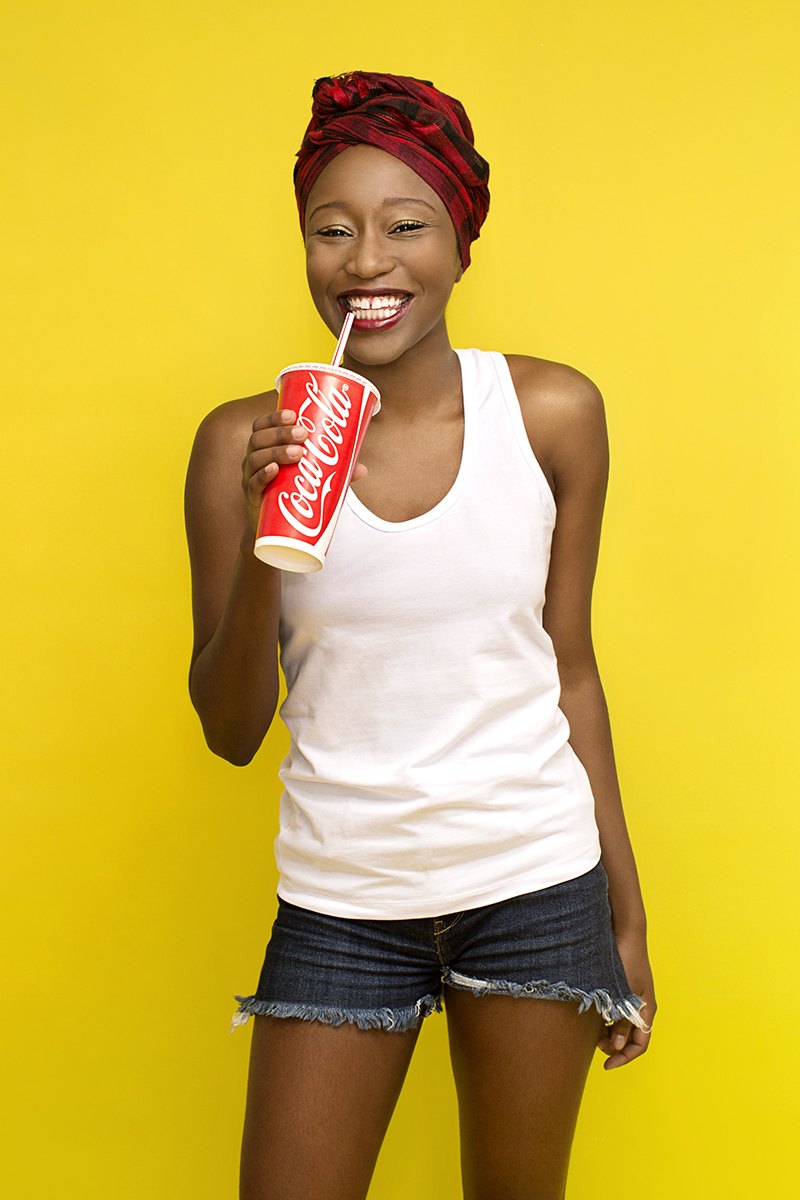
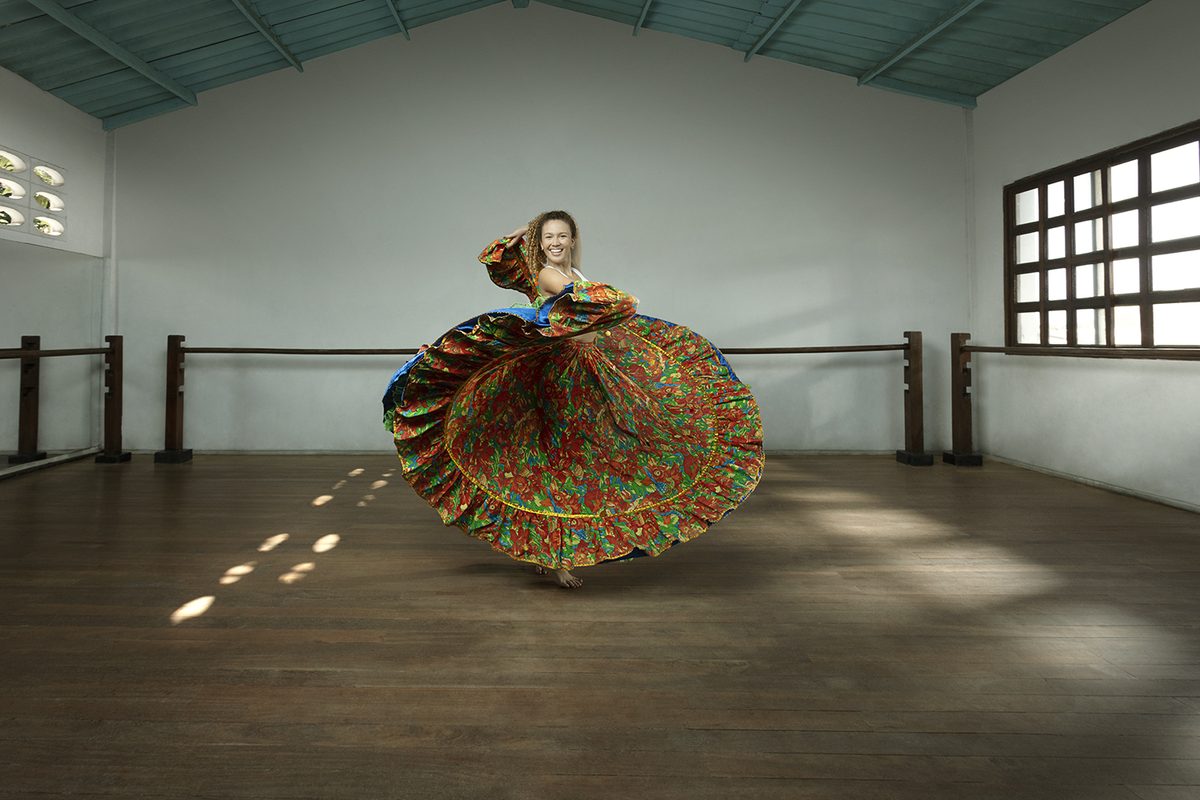
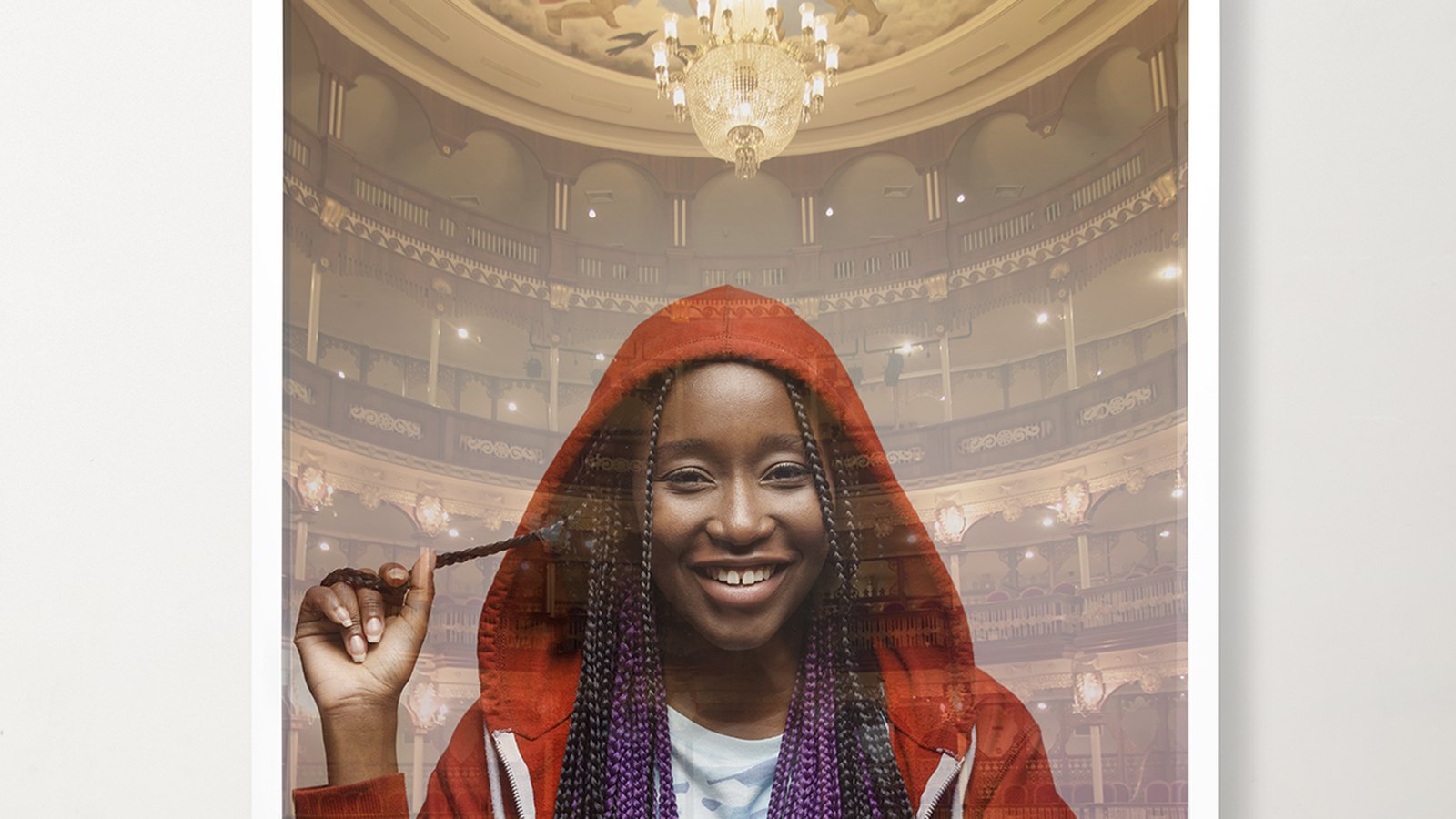
A small project about printing. Five portraits taken off the screen, printed, framed and re-photographed on a plain wall - and what the frame does to a picture that was made for a feed.
This is the smallest project on the blog and one of the ones I think about most. Five pictures, printed, framed, hung on a plain wall and photographed again.
Almost everything I shoot now is consumed on a screen roughly the size of a hand, scrolled past in under two seconds, in whatever colour temperature the phone has decided on. That is the reality of the job and I have no complaint about it. But it does mean most photographers, myself included, can go years without seeing their own work as an object.
The frame slows people down
The first thing you notice is time. A framed print on a wall gets fifteen or twenty seconds. The same image in a feed gets one and a half. Nothing about the picture changed. The container changed.
That has a real consequence for how you edit. Images that win on a screen tend to be the loud ones - high contrast, one clear idea, readable at thumbnail size. Images that win on a wall are often the quieter ones, the ones with something in the corner you do not find until the second look.
White border, white wall
Technically the shoot was simple and the restraint was the point. Plain light frames, a generous white border, one flat wall, soft even light, camera square on. Nothing styled, no props, no room around them.
When you are photographing a print, every choice you add is a choice that competes with the thing you are trying to look at. So I removed everything I could and let the differences between the five images be the only variable in the set.
“A framed print gets twenty seconds. The same picture in a feed gets one and a half. Only the container changed.”
What I took from it
I started printing more after this. Not to sell and not to exhibit, just as an editing tool. A picture that survives being printed at size, borderless of context, with nobody scrolling past it, is a picture I can trust.
It is also why I care about the sequencing of the galleries at the end of every story on this blog rather than just dumping the take. The set that came out of my colour backdrop portraits was edited on a wall before it was ever edited on a screen.